

High Potental Therapy
High Potential Therapy (HPT), also known as High-Voltage Pulsed Current (HVPC) therapy, is a non-invasive electrotherapy modality used in physiotherapy and rehabilitation. It delivers high-voltage, low-current electrical impulses through the skin to stimulate nerves, muscles, and tissues without causing discomfort.
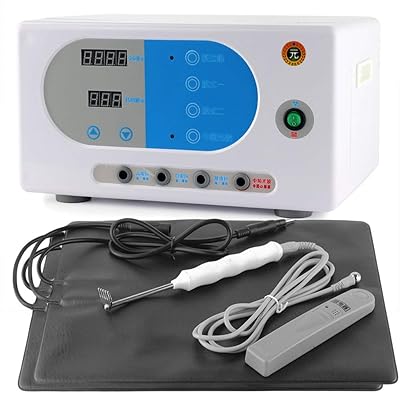

Key Advantages
Non-invasive, painless, and drug-free
Suitable for acute and chronic conditions
Minimal side effects and short treatment sessions
Complements manual therapy and exercise rehabilitation
How High Potential Therapy Works
HPT uses short-duration electrical pulses with high peak voltage and minimal average current. These impulses:
- Improve local blood circulation and lymphatic drainage
- Reduce tissue edema and inflammation
- Stimulate nerve repair and muscle activation
- Enhance cellular metabolism and tissue oxygenation
Because the current is low, the therapy penetrates deeper tissues safely while remaining comfortable for the patient.
Importance in Reversal of Underlying Causes
High Potential Therapy is valued for its ability to address physiological dysfunctions at their source, not just suppress symptoms:
Chronic pain conditions: Interrupts pain signaling and reduces inflammation, correcting the neurochemical imbalance that sustains pain.
Nerve-related disorders: Promotes nerve conduction and regeneration, helping reverse functional deficits.
Muscle weakness and spasms: Restores normal neuromuscular activity, preventing secondary degeneration.
Poor circulation and edema: Improves microcirculation, resolving tissue congestion that delays healing.
Summary
Meridian therapy is a time-tested, integrative approach that seeks to reverse the underlying causes of illness by restoring systemic balance. While its principles differ from modern biomedical models and scientific evidence varies by condition, it remains widely used as a complementary therapy to promote functional recovery, prevention, and overall well-being.